Outdoor Party Planning Tips for Texas Weather & Venues
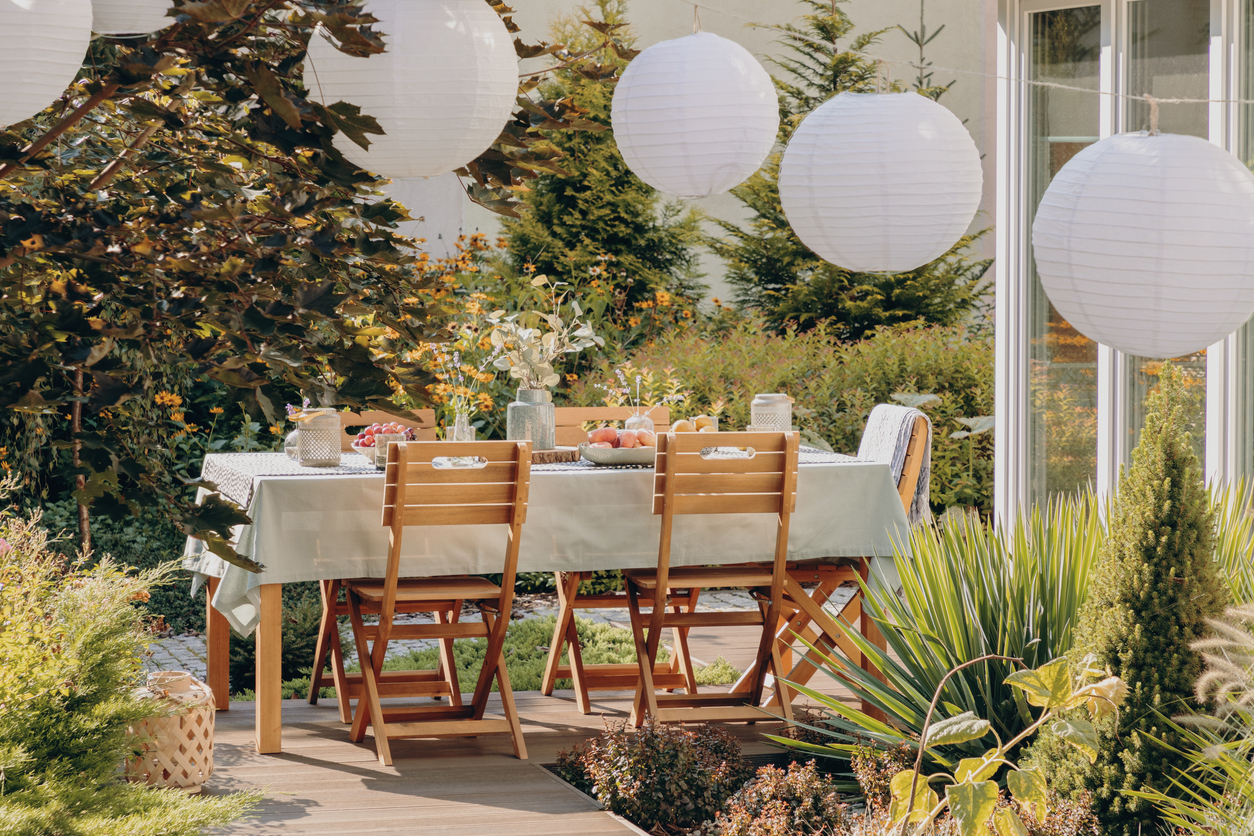
Planning an outdoor party in Texas means balancing heat, humidity, wind, and sudden weather changes. The most comfortable seasons are typically fall (September–November) and spring (March–May), when temperatures are more moderate. You’ll also need to evaluate your venue carefully, position shade and cooling areas effectively, and prepare backup plans in case conditions shift. The strategies below will help you host a smooth, comfortable event anywhere in Texas.
Pick Your Party Time: Best Seasons and Hours for Texas Weather
Texas weather varies widely by season, so choosing the right timing is essential. Spring (March–May) offers mild temperatures and blooming landscapes, though occasional rain and storms require backup plans. Summer (June–September) often brings sustained heat in the 90s to over 100°F, especially in Central and North Texas. If hosting in summer, schedule events early morning or after sunset to avoid peak heat. Fall (October–November) is widely considered the best season for outdoor events, with cooler temperatures, lower humidity, and fewer weather disruptions. Winter (December–February) can be mild in some regions, but cold fronts and occasional freezes make conditions less predictable. For the best guest experience, avoid midday events during peak summer and prioritize shaded or evening gatherings.
Popular Outdoor Party Venues Across Texas Cities
View this post on Instagram
Texas offers a wide range of outdoor venues, from scenic parks to upscale rooftop patios. In Houston, spaces like Discovery Green, Buffalo Bayou Park, and rooftop venues in Downtown and Midtown provide flexible setups for both casual and upscale gatherings. In Dallas–Fort Worth, venues such as Klyde Warren Park, Trinity Groves patios, and The Harbor Rockwall offer a mix of urban and waterfront settings. In Austin, Zilker Park, Lady Bird Lake event spaces, and rooftop patios along South Congress create ideal environments for outdoor celebrations. In San Antonio, the River Walk, The Pearl District, and nearby garden venues provide a blend of historic charm and modern amenities. Choosing a venue with built-in shade, restrooms, and parking access can significantly simplify planning.
Evaluate Your Backyard Layout and Equipment Access Points
Before booking rentals or setting up décor, assess your space carefully. Measure usable areas rather than total yard size, excluding slopes, dense landscaping, and uneven ground. These areas often limit where tents, tables, and seating can be placed. Check access points such as gates and side yards. Many residential properties have narrow entryways that restrict delivery of large items like tents or furniture. Also locate sprinkler systems, irrigation lines, and underground utilities before placing stakes. If staking isn’t possible, plan for weighted anchors like sandbags. Stable surfaces such as concrete patios or level grass areas work best for seating, food stations, and equipment.
Set Up Shade Tents, Fans, and Cooling Stations
View this post on Instagram
Cooling strategies are essential for Texas outdoor events, especially in warmer months. Position shade tents or canopies to block the afternoon sun, which typically comes from the west and southwest. Secure tents properly, as Texas wind gusts can be strong even on otherwise calm days. Distribute cooling elements throughout your space:
- Misting fans for dry or semi-dry climates
- High-velocity fans for airflow in humid regions like Houston
- Cooling stations with cold drinks, shaded seating, and chilled towels
Place equipment near safe power sources and test everything in advance to avoid disruptions during the event.
Position Food Stations Away from Sun and Activity Zones
Proper food placement helps maintain both safety and flow. Set food tables away from direct sunlight using umbrellas or canopies, and keep them at least several feet from grills or heat sources to prevent temperature buildup. Avoid placing food stations in high-traffic areas to reduce congestion. Keep them accessible but slightly offset from main gathering zones. Use insulated containers, chafing dishes, or coolers with ice packs to maintain safe food temperatures. Light-colored table coverings can also help reflect heat.
Prepare Weather Backups and Safety Equipment
Texas weather can shift quickly, so preparation is key. Monitor forecasts starting about a week before your event, with closer attention in the final 48 hours. Have a backup plan such as:
- Tent rentals with sidewalls
- Access to an indoor space or nearby venue
- Flexible setup options that can be adjusted quickly
Keep essential safety items on hand, including:
- Water stations for hydration
- First aid kits
- Non-slip mats if rain is expected
- Communication plan for guests in case of changes
Assign one person to oversee logistics and make real-time decisions if weather conditions change.
Food and Drink Planning for Texas Heat
View this post on Instagram
Menus for outdoor Texas events should focus on heat-tolerant, easy-to-serve foods. Recommended options include:
- Grilled proteins and vegetables served fresh
- Fruit platters (watermelon, pineapple, citrus) that hydrate and refresh
- Wraps, sliders, and tacos that are easy to assemble and eat
Avoid foods that spoil quickly, such as mayonnaise-heavy dishes, unless kept properly chilled. For drinks, prioritize hydration stations with:
- Water infused with citrus or herbs
- Electrolyte beverages
- Iced tea, lemonade, or aguas frescas
Set up multiple drink stations to prevent crowding and keep guests cool throughout the event.
Regional Weather Differences Across Texas
Texas weather varies significantly by region, which affects how you plan your setup.
- Houston and Gulf Coast: High humidity increases heat index and discomfort. Prioritize shade, airflow, and hydration.
- Central Texas (Austin, San Antonio): Hot but slightly drier—shade and cooling stations remain essential.
- North Texas (Dallas–Fort Worth): Wide temperature swings and strong winds require secure setups and flexible timing.
- West Texas: Dry heat with intense sun exposure—focus on sun protection, water supply, and evening events.
Adjusting your setup based on regional conditions helps ensure guest comfort and safety.