Interesting Facts About American Party Traditions
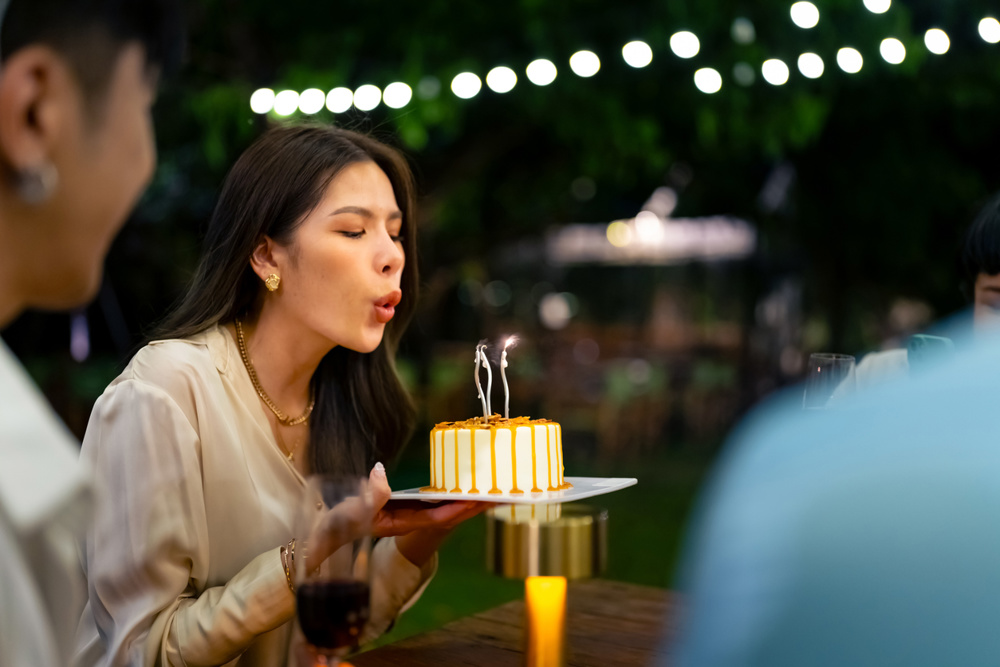
You might be surprised to find that many of America's most beloved party traditions weren’t originally American at all. What feels familiar today—pumpkin carving, Christmas trees, and even birthday parties—are the result of centuries of cultural exchange, adaptation, and reinvention. These traditions didn’t emerge in isolation; they evolved through migration, storytelling, and shared experience.
American celebrations are shaped by a blending of influences. Each wave of immigrants brought customs, rituals, and ideas that were gradually integrated into everyday life. Over time, these elements fused into traditions that now feel distinctly American, even though their origins lie elsewhere.
Where America's Biggest Party Traditions Actually Come From
America's biggest party traditions didn't just spring up overnight — they were brought over, blended together, and passed down by waves of immigrants who shaped the country's cultural identity. You're celebrating holidays that were built through immigrant adaptation, not invented from scratch on American soil.
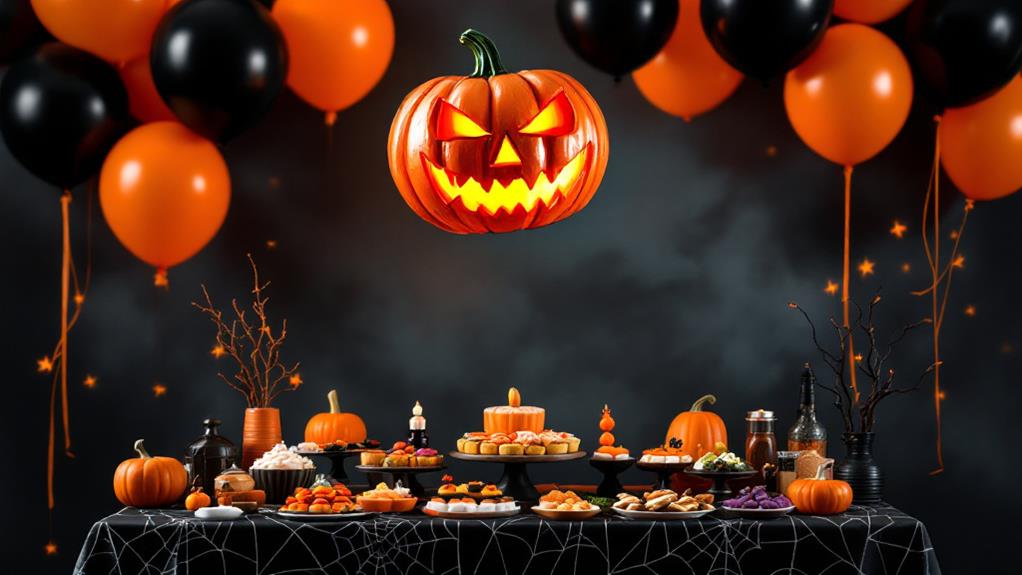
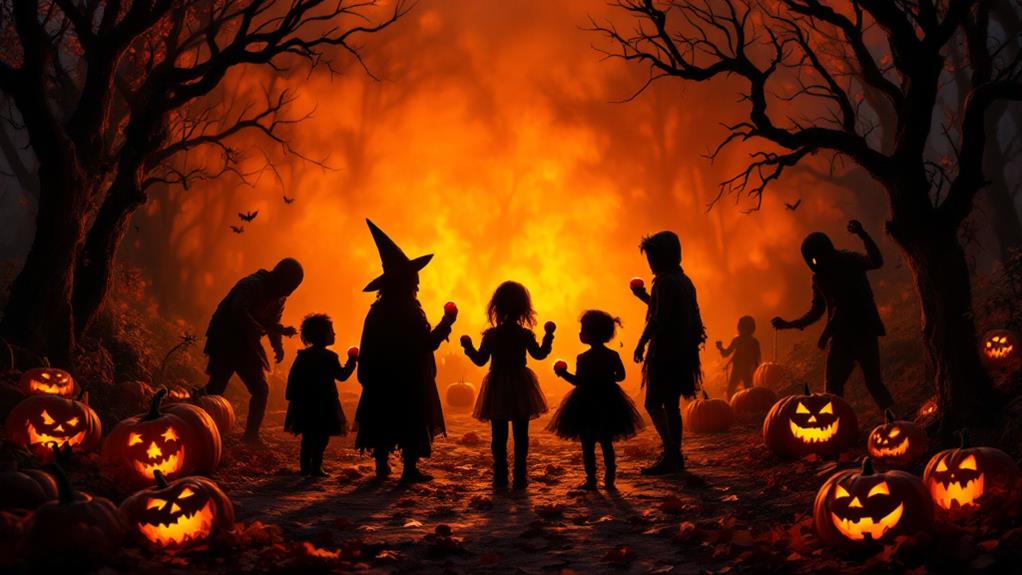
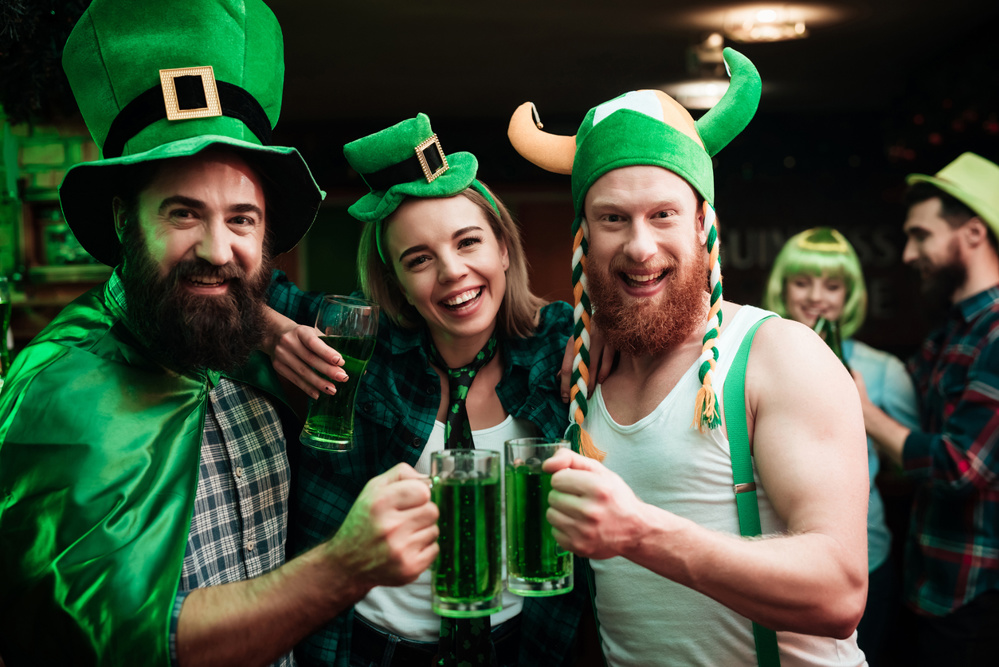
Irish influence gave you Halloween and St. Patrick's Day. Post-Famine Irish immigrants transformed carved turnips into pumpkin jack-o'-lanterns and turned a Catholic feast day into a nationwide street party. German immigrants introduced Christmas trees, while Dutch settlers gave you Santa Claus through Sinterklaas. French and Spanish settlers brought Mardi Gras to Louisiana.
Even birthday celebrations didn't become universal until the late 1800s. Every tradition you enjoy today was carried here by someone from somewhere else. Between 1845 and 1854, nearly 2.9 million immigrants arrived in the United States, fundamentally reshaping the cultural fabric that underlies the traditions Americans celebrate today.
Many of these traditions also intersect with religious feast days still honored around the world, such as the Feast of St. Francis of Assisi on October 4, which continues to be recognized as a name day in countries like Ukraine. Across different cultures, name days are tied to specific dates on the calendar, such as March 8, when names like Loveness and Mwansa are observed in certain regional name day traditions alongside International Women's Day.
How the Founding Fathers Threw the Ultimate Party
Those immigrant-shaped celebrations you know today had to start somewhere, and the Founding Fathers weren't exactly shy about throwing a party. Just days before signing the Constitution, 55 delegates downed 54 bottles of Madeira, 60 bottles of claret, whiskey, porter, cider, beer, and seven bowls of punch.
Tavern Revelry wasn't just entertainment; it was politics. Philadelphia's City Tavern hosted serious diplomacy alongside serious drinking. Colonial Americans consumed three times more alcohol than modern Americans, and the Founders led by example.
Founders' Toasts reflected a culture where Washington distilled the country's largest whiskey still. Adams started mornings with hard cider, and Franklin literally published a dictionary of drunkenness slang. These men weren't just nation-building — they were partying hard while doing it. Thomas Jefferson, ever the connoisseur, racked up a $11,000 wine bill upon leaving the White House. Much like Jan van Eyck's The Arnolfini Portrait, which was treated as a legal document of a marriage, the Founders understood that food, drink, and ceremony together could formalize and memorialize the most significant moments in history.
How the White House Once Opened Its Doors on New Year's Day
Every New Year's Day from 1801 to 1932, the White House opened its doors to anyone who wanted to walk in. John Adams started this tradition of hospitality, believing the Executive Mansion belonged to the people. No invitations were required—you simply showed up and joined thousands of others filing through the halls.
Presidential handshakes became the centerpiece of these gatherings. Thomas Jefferson introduced the custom as a democratic alternative to formal bowing. During peak years, over 8,000 visitors attended, with presidents shaking hands at roughly 40 per minute. Abraham Lincoln greeted thousands on January 1, 1863, before signing the Emancipation Proclamation that same afternoon—his hand trembling from the effort.
Herbert Hoover hosted the final reception in 1932, ending 131 years of this remarkable public tradition. The capital city itself had grown dramatically over those years, swelling from a rough, muddy settlement of 10,000 residents in 1800 to a bustling city of over 279,000 by 1900.

Why Americans Once Celebrated New Year's More Than Christmas
Today, Christmas dominates December with gifts, trees, and decorations, but it wasn't always America's biggest celebration. Before the 1850s, you'd have exchanged New Year's tokens rather than Christmas presents. Here's what shifted everything:
- Puritans banned Christmas in Massachusetts in 1659, calling it immoral, making the holiday regionally inconsistent for generations.
- Merchant promotion changed everything — confectioners and toy makers aggressively pushed Christmas gifting to grow their businesses.
- By the 1870s, Christmas had completely overtaken New Year's as America's premier gift-giving celebration.
Victorian culture, Santa Claus imagery popularized in Harper's Weekly in 1863, and Clement Clarke Moore's famous 1822 poem all accelerated the transformation. Christmas became federally recognized in 1870 under President Ulysses S. Grant. Presidential New Year's receptions, held annually for 140 years beginning with George Washington in 1790, reflected just how central New Year's Day once was to American public life.
Put your knowledge to the test with more fun party trivia.
The Surprising History Behind Fourth of July Traditions
The Fourth of July is often associated with clear and consistent traditions, but its origins are more complex than commonly assumed. Many elements of the celebration developed gradually rather than appearing fully formed at the nation’s founding.
Public readings of the Declaration of Independence, for example, did not occur immediately on July 4. Similarly, certain symbols and rituals, such as the Liberty Bell, have evolved over time, gaining meaning through repeated use and reinterpretation.
Even popular traditions like competitive eating have more recent and constructed histories. These examples demonstrate how national celebrations are shaped not only by historical events but also by storytelling and cultural reinforcement.
What Was Actually Served at the First Thanksgiving?
The first Thanksgiving meal differed significantly from modern expectations. Rather than the familiar combination of turkey, stuffing, and pie, the menu likely included a variety of locally available foods influenced by both Indigenous and colonial practices.
Venison and wildfowl were central components, supplemented by seafood and seasonal produce. The absence of ingredients like sugar and wheat meant that many modern dishes were not part of the original feast.
This contrast highlights how traditions evolve over time. The foods associated with Thanksgiving today reflect later cultural developments rather than historical accuracy, illustrating how memory and tradition can diverge.
Why Mardi Gras Masks Have Always Meant More
When you slip on a Mardi Gras mask, you're joining a tradition stretching back to ancient Greek Dionysian festivals and primitive hunting rituals, where animal-head masks helped reenact hunts and tell creation myths. Venice formalized these anonymity rituals through its mask makers guild in 1436, influencing celebrations worldwide.
In Louisiana, masks did something remarkable — they blurred racial and class lines, letting enslaved Black Louisianians participate alongside wealthy citizens during the segregation era. The 1875 Mardi Gras Act legally required float riders to wear masks, transforming personal freedom into public policy.
Today's carnival commerce reflects this rich history. Shops like Maskarade near St. Louis Cathedral stock elaborate feathered, beaded designs in purple, gold, and green, representing jesters, kings, and gods — each mask still carrying centuries of meaning. Beyond aesthetics, masks allowed lower social classes to acquire food during 19th-century Louisiana festivities, making them tools of survival as much as celebration.
The Old Traditions Behind Every Party Americans Still Throw Today
Masks aren't the only party tradition carrying centuries of meaning into modern American life. Many celebrations you attend today trace their roots back hundreds of years, blending colonial harvests, Indigenous customs, and immigrant influences into familiar rituals.
Here are three traditions older than you might think:
- Thanksgiving began with the 1621 harvest celebration, making it America's oldest continuous tradition rooted in colonial harvests.
- Halloween evolved from ancient Celtic New Year's Eve customs, surviving through Irish and Scottish immigrants who preserved costumes and bonfires.
- Fourth of July has been celebrated since 1777, predating America's first presidency entirely.
Even birthday parties didn't become universal until the early 20th century. Every gathering you host carries more history than you realize. Thanksgiving itself wasn't officially recognized until Abraham Lincoln formalized it in 1863, connecting modern celebrations to a much deeper legacy of harvest festivals from early agricultural communities.
The Role of Food and Drink in American Celebrations
Food and drink have always been central to American party traditions, serving as both practical necessities and cultural symbols. Shared meals create a sense of community, reinforcing social bonds through collective experience. The types of food served often reflect regional and cultural influences.
Different celebrations are associated with specific dishes, creating a connection between food and identity. These culinary traditions are passed down through generations, preserving elements of their original cultural context while adapting to new environments.
Over time, these practices have become standardized, forming recognizable patterns across the country. Food is not just part of the celebration—it is a defining element that shapes how events are experienced and remembered.
How Commercialization Shaped Modern Party Traditions
Commercialization has played a significant role in shaping how American traditions are celebrated today. Businesses have influenced the development of holidays by promoting products, decorations, and activities associated with specific events.
This influence is particularly visible in holidays like Christmas and Halloween, where consumer goods have become integral to the celebration. Marketing campaigns and retail strategies have helped standardize traditions, making them more consistent across different regions.
While commercialization can simplify and popularize traditions, it also transforms their meaning. Celebrations become more accessible but may lose some of their original context, reflecting the balance between cultural preservation and economic influence.
The Evolution of Celebrations in Modern America
American party traditions continue to evolve, reflecting changes in society, technology, and values. Modern celebrations often incorporate digital elements, new forms of entertainment, and shifting social norms, creating updated versions of older practices.
This evolution demonstrates the adaptability of cultural traditions. Rather than remaining fixed, they respond to current conditions, integrating new influences while maintaining connections to the past. As a result, American celebrations remain dynamic. They are shaped by ongoing cultural exchange, ensuring that traditions continue to develop and remain relevant across generations.
Conclusion
American party traditions are the result of centuries of cultural exchange, adaptation, and reinvention. They reflect the contributions of diverse communities, each adding their own customs and practices to a shared cultural framework. These traditions are not static—they continue to evolve as society changes.
From historical origins to modern interpretations, they demonstrate how culture is built over time through participation and transformation. Ultimately, every celebration carries a story. Understanding those stories reveals that even the most familiar traditions are part of a much larger cultural history, connecting past and present through the act of gathering and celebrating.