
The Ultimate Guide to Building an Annual Party Calendar

Building an annual party calendar is more than organizing dates—it’s about creating a structured system that balances time, budget, and experience across an entire year. Without a clear framework, even small gatherings can quickly become overwhelming, leading to scheduling conflicts, overspending, and last-minute stress.
A well-planned calendar transforms party planning into a predictable, manageable process. By mapping events in advance, you gain control over resources, allowing you to allocate time and budget strategically rather than reactively. This approach reduces uncertainty and ensures consistency across all your events.
The Real Cost of Planning Parties Without a System
Planning without a centralized system often leads to significant financial inefficiencies. Costs accumulate quickly when decisions are made reactively, with last-minute bookings introducing rush fees, limited vendor options, and inflated pricing. These issues compound across multiple events, making annual planning far more expensive than expected.
A major challenge lies in the lack of visibility. Without real-time tracking, it becomes difficult to compare projected costs against actual spending. Categories such as catering, venue fees, and staffing are frequently underestimated, resulting in budget overruns that could have been avoided with better forecasting.
Over time, these inefficiencies create a pattern of overspending. Instead of controlling costs, planners are forced into constant adjustments, often sacrificing quality or experience to stay within limits. A structured system eliminates this cycle by providing clarity, accountability, and long-term cost control.
Build Your Annual Party Calendar List and Key Dates
Creating a comprehensive list of events is the foundation of an effective annual party calendar. This process begins by identifying both fixed and flexible dates, ensuring that all key occasions are accounted for in advance. Fixed dates provide structure, while flexible ones require ongoing attention and adjustment.
Incorporating a mix of personal, cultural, and professional events adds depth to your calendar. Celebrations such as holidays, birthdays, and milestones can be complemented by community-focused or value-driven occasions, creating a more inclusive and meaningful schedule.
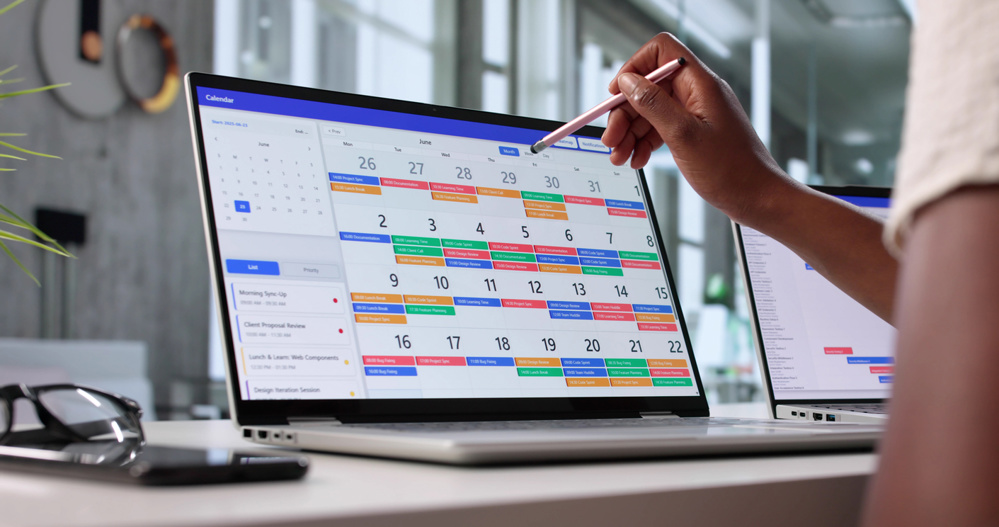
Organizing these dates visually enhances clarity. Color-coded systems and digital planners allow you to distinguish between event types, making it easier to manage overlaps and maintain balance throughout the year. This initial structure sets the tone for all subsequent planning decisions.
Set a Realistic Budget Before Booking Anything
Establishing a budget before making any commitments is essential to maintaining control over your annual calendar. Defining spending limits early prevents impulsive decisions and ensures that each event aligns with your financial capacity. This step creates a clear framework for all future planning.
Breaking the budget into categories provides greater precision. Allocating specific percentages to food, decor, entertainment, and contingency funds allows you to track spending more effectively. This structured approach reduces the likelihood of unexpected costs disrupting your plans.
A realistic budget also supports better prioritization. By identifying which elements matter most, you can allocate resources strategically, ensuring that each event delivers value without unnecessary excess. This balance between cost and experience is key to sustainable planning.

How Far Ahead Should You Plan Each Party?
Once your budget's locked in, the next question is timing—specifically, how far ahead you need to start planning for each type of event. Scale determines everything. Small gatherings come together in one to two months, while average birthday parties need about four weeks. Larger events like weddings or company holiday parties require at least six months of lead time.
For weddings, book your venue 12 to 24 months out and secure top vendors like photographers and caterers 9 to 11 months ahead. Guest coordination—finalizing your list and sending invitations—should happen 6 to 8 months before.
Build in last minute backups by confirming all vendors one to two weeks out and conducting a final venue walkthrough the week of your event. Rental equipment reservations for items like tents, tables, and chairs should also be secured well in advance, as waiting until the last minute can limit your available options.
Be sure to create your own custom calendar to keep your events organized all year long!
Pick Themes That Work Across Your Whole Year
Themes often make or break your annual party calendar, so choosing ones that flex across multiple events saves you time and keeps your gatherings feeling cohesive rather than disconnected. Seasonal motifs naturally build a theme continuum, connecting celebrations across spring, summer, fall, and winter without forcing creativity.
Choose themes that:
- Grow with you — Select growth-oriented concepts that evolve alongside personal milestones, keeping every party emotionally meaningful.
- Adapt without breaking — Broad, flexible themes survive life's unexpected changes while still unifying your year.
- Inspire action — Motivational frameworks like "Dare to Dream" give each gathering deeper purpose, making guests feel genuinely moved.
Strong themes don't just decorate parties — they tell your year's story. Seasonal rhythm provides a satisfying narrative arc without prior planning, making it one of the most effortless ways to structure your entire year of gatherings.
Choose the Right Annual Party Calendar Tool for Your Style
Picking the right tool for your annual party calendar often comes down to how you naturally work — not just what's popular. If you're managing theme matchups and guest rotation across multiple events, a project management tool like Asana or Trello helps you track every detail visually.
For scheduling and avoiding conflicts, Calendly or CalendarWiz handles availability and self-booking cleanly. If your parties span teams or communities, Lark or Allcal keeps everyone synced without constant back-and-forth. Prefer an all-in-one workspace? Notion lets you centralize themes, guest lists, and timelines together.
For ticketing recurring events, Ticketbud's white-label option fits well. Match your tool to your workflow — whether that's visual boards, shared calendars, or database-style tracking — and your planning process becomes far less stressful. For free events especially, TicketLeap charges no ticketing or sign-up fees, making it a budget-friendly option for recurring celebrations.
Build Your Annual Party Calendar Template Step by Step
Building your annual party calendar template starts with finding the right foundation — search for calendar templates in Excel by going to File > New and typing "calendar" in the search box. Choose a yearly layout with monthly sections to map everything clearly. On Mac, you can access templates by going to File > New from Template and using the Search All Templates box to find your preferred calendar layout option.
Once you've selected your template, build it out intentionally:
- Color-code event types — separate venue scouting trips, guest etiquette reminders, and personal milestones so nothing blurs together.
- Fill each grid cell with dates, event descriptions, and participant details to eliminate last-minute confusion.
- Use =DATE (year, month, day) formulas for recurring events so your calendar updates automatically, saving you real time.
Finally, convert your finished calendar to PDF and share it with stakeholders, keeping everyone aligned and genuinely excited for what's ahead.
Coordinate Party Dates Without Scheduling Conflicts
Once your calendar template is ready, coordinating party dates without conflicts becomes your next challenge — and the right tools make it manageable. Use shared calendars like Google Calendar or Doodle polls to simplify guest scheduling by letting attendees indicate availability without endless email chains. Calendly's booking links automatically prevent double-booking, keeping your commitments intact.
Build venue buffers between events to avoid overlaps, and sync your work, personal, and shared calendars into one view. Review your schedule weekly to catch recurring clashes early. When coordinating across groups, prioritize core attendees first and use Google Calendar's "Find a Time" feature to identify overlapping availability.
Also, account for holidays and regional differences that may affect your guests' schedules, ensuring everyone can actually show up. For guests in different locations, be mindful that time zone differences can cause invitations to land at inconvenient or impossible times, making it essential to adjust event times to reflect each participant's local hours.
How to Keep Your Annual Party Calendar Working All Year
Maintaining an effective calendar requires continuous attention and adjustment. Preferences, availability, and priorities can change over time, making flexibility an important part of the system. Regular updates ensure that your calendar remains relevant.
Tracking performance provides valuable insights. Monitoring attendance, feedback, and engagement helps identify what works and what doesn’t, allowing you to refine future events. This data-driven approach improves overall planning quality.
A dynamic calendar supports long-term success. By treating it as an evolving system rather than a fixed plan, you create a framework that adapts to changing needs while maintaining consistency.
Common Annual Party Planning Mistakes to Avoid
Even the most thoughtfully built party calendar can unravel when common planning mistakes go unchecked. Skipping a detailed budget invites overruns, so always include a 10–20% contingency fund and account for small fees that quietly add up.
Poor RSVP etiquette—like omitting deadlines or centralized tracking—leaves you guessing on headcounts and wasting resources. Start planning early, use a task checklist, and avoid recycling last year's plan without updates. Don't overlook guest comfort by ignoring parking, signage, or dietary needs. Choose specific themes to boost sensory engagement across all five senses.
Set up technology in advance and always arrange a vendor backup to prevent day-of failures. These adjustments keep your calendar running smoothly and your events consistently memorable. A well-maintained guest list with notes helps you accurately track plus-ones, children, and other attendance details that directly influence your planning decisions.
Balancing Frequency and Avoiding Event Fatigue
While consistency is important, scheduling too many events can lead to fatigue for both hosts and guests. Overcrowding your calendar reduces anticipation and may result in declining attendance over time. Finding the right balance ensures that each event retains its impact.
Spacing events strategically allows guests to remain engaged. Providing adequate time between gatherings creates a sense of anticipation, making each event feel more special. This approach also gives you time to plan more effectively.
Balancing frequency enhances sustainability. By focusing on quality rather than quantity, you maintain energy and enthusiasm throughout the year, ensuring that your calendar remains enjoyable rather than overwhelming.
Creating Signature Events That Anchor Your Year
Within an annual calendar, certain events can serve as anchors that define the overall structure. These signature gatherings—such as major celebrations or themed highlights—provide focal points that shape the rhythm of the year.
Signature events often receive more resources and attention, setting a higher standard for experience and execution. They create memorable moments that stand out, reinforcing the purpose of the calendar as a whole. Building your calendar around these key events provides direction. It allows you to allocate time and budget more effectively, ensuring that your most important gatherings receive the focus they deserve.
Conclusion
An annual party calendar is more than a schedule—it is a system that brings structure, clarity, and intention to your events. By organizing your year in advance, you gain control over time, budget, and experience, reducing stress and improving outcomes.
Each component, from budgeting to scheduling, contributes to a larger framework that supports consistency and creativity. When these elements work together, planning becomes more efficient and enjoyable. Ultimately, success lies in adaptability. A well-designed calendar evolves with your needs, ensuring that every event contributes to a cohesive and meaningful year of celebration.