The Influence of Throwing Parties on Pop Culture Style and Celebration
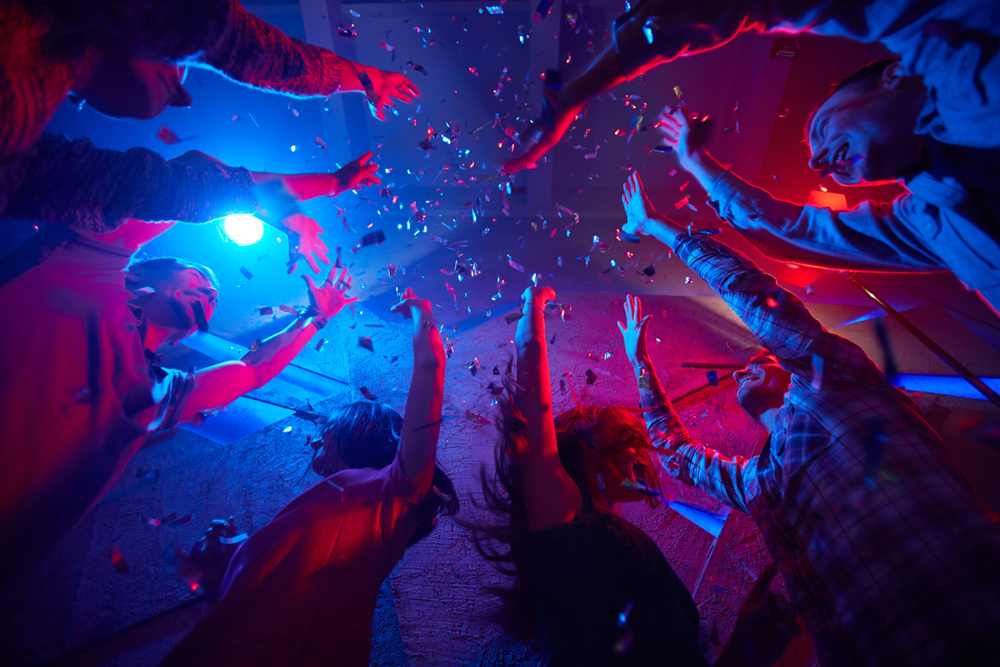
When you throw a party, you're doing more than gathering people—you’re participating in a cultural system that shapes how people dress, interact, and define celebration. Every decision, from lighting to music to guest dynamics, contributes to a shared visual and social language that extends beyond the event itself. Parties function as microcosms of broader trends, reflecting what a generation values in real time.
Historically, celebrations have always mirrored social hierarchies and cultural priorities. From elite gatherings to community-based rituals, the way people come together reveals how identity, status, and belonging are expressed. Today, that expression is more visible than ever, amplified by digital platforms and media exposure.
How Party Culture Became a Pop Culture Statement
Party culture didn't just happen overnight — it grew out of early Hollywood's obsession with lavish, exclusive gatherings that doubled as social currency. Celebrity soirées and studio premieres weren't just events; they were statements, signaling who'd made it and who hadn't. You can trace today's cultural fascination with parties directly to those early spectacles. Gossip columns and television pulled private celebrations into public view, transforming them into aspirational content.
What started as Hollywood exclusivity gradually shaped broader societal standards — defining not just how people celebrated, but what celebration itself was supposed to mean. The rise of influencer culture created a new framework through which celebrity values, political stances, and lifestyles were reflected back to audiences as aspirational ideals.
Much like how subscription-based models reshaped consumer expectations in entertainment, the democratization of party culture through social media transformed exclusive celebrations. Just as YouTube's first upload in 2005 demonstrated that unpolished, everyday moments could captivate global audiences, the casual sharing of personal celebrations online proved that ordinary people could participate in and shape cultural moments once reserved for the elite.
The Shift From Excess to Intentional Celebration
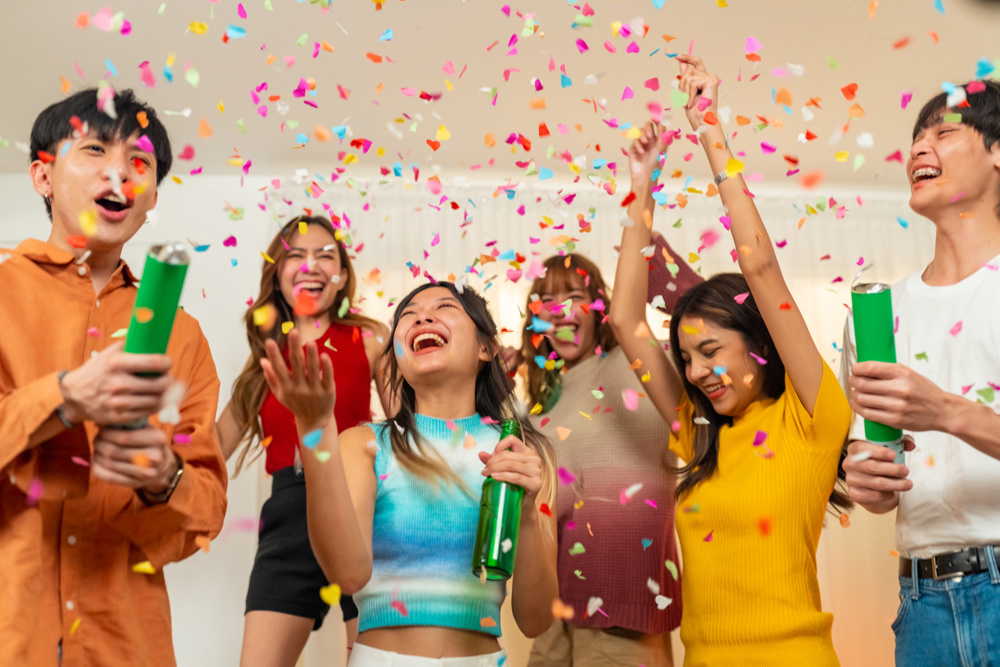
The glittering excess that once defined aspirational celebration is losing its grip. You're watching a cultural shift unfold in real time, where intentional minimalism is replacing performative displays. Couples are ditching donut walls, fireworks, and matching bridesmaid robes in favor of celebrations that actually reflect who they are.
Purposeful guestlists are driving this transformation. Smaller gatherings cost less, feel more connected, and eliminate the pressure to impress strangers. You're also seeing sustainability shape decisions, with couples choosing local florals, rewearable dresses, and multi-use venues that serve both ceremony and reception.
Economic uncertainty accelerated this movement, but authenticity sustains it. You don't need extravagance to create something meaningful. Prioritizing what genuinely matters, whether that's exceptional food or a breathtaking dress, produces celebrations that resonate far longer than spectacle ever could. Just as homeowners are learning to focus on intentional decluttering rather than accumulating more, modern hosts are curating their celebrations with the same purposeful restraint.
How Theme Parties Built a New Aesthetic Identity
Theme parties transformed celebration from simple gathering into deliberate aesthetic experience, giving hosts a creative framework that extends far beyond decoration. You're no longer just selecting a color palette — you're curating cultural signifiers that communicate identity, values, and story.
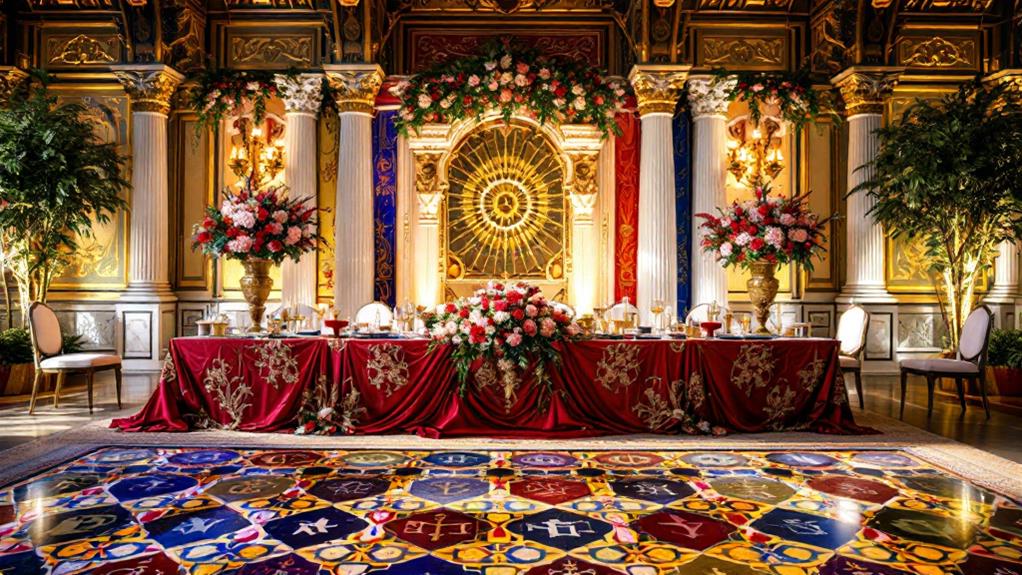
Jewel-toned drapes, brass candle holders, and embroidered table runners stopped being random choices and became intentional statements. Handwoven fabrics, marigold garlands, and saffron-infused cocktails introduced aesthetic rituals that connect guests to something larger than the event itself.
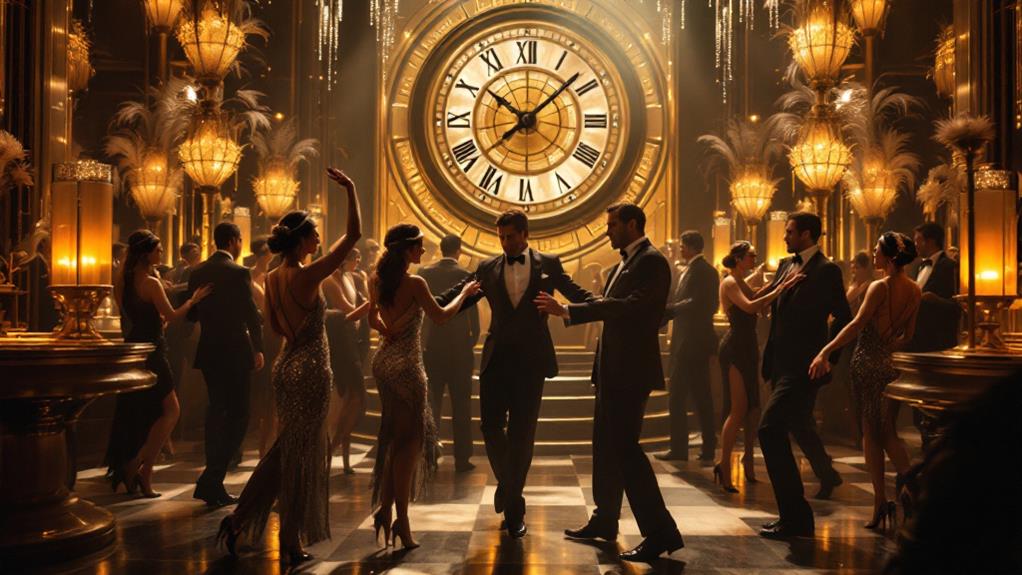
Whether you're channeling 1920s art deco glamour, Feudal Japan's quiet ceremony, or a Bollywood-inspired explosion of color, each choice constructs a coherent visual language. Theme parties gave celebration genuine authorship, transforming your event from a night people attend into an experience they actually remember. Rooted hosting anchors that authorship in something even deeper, positioning culture as foundation so every guest feels genuinely at home rather than merely in attendance.

How Social Media Turned Parties Into Cultural Moments
Social media fundamentally changed how parties exist within culture. What was once private is now widely visible, with photos and videos extending the life of an event far beyond its physical duration. Documentation has become part of the experience itself.
Platforms like Instagram and TikTok prioritize visual storytelling, encouraging hosts to design events with shareability in mind. Lighting, decor, and styling are often chosen not just for in-person impact, but for how they appear on screen. This creates a feedback loop between design and documentation.
As a result, parties function as cultural content. They influence trends, circulate ideas, and shape expectations across audiences who were never physically present. The event becomes both a lived experience and a visual artifact.
Check out MrPopCulture.com and learn more about pop culture trends in throwing parties.
The Rise of “Aesthetic Hosting” as Personal Branding
Hosting a party has increasingly become an extension of personal branding. The way a space is designed, documented, and shared reflects not only the event itself but the identity of the host. Details such as table settings, lighting, and even dress codes are curated to communicate a specific aesthetic.
This shift has elevated hosting into a creative practice. Rather than simply organizing logistics, hosts are now constructing visual narratives that align with broader lifestyle trends. The party becomes a reflection of taste, values, and cultural awareness, often designed with both guests and online audiences in mind.
As a result, aesthetic hosting blurs the line between private life and public image. Parties are no longer isolated experiences—they become part of an ongoing visual portfolio that contributes to how individuals present themselves within digital culture.
Why the Music at Parties Now Says More Than the Guest List
Once, the guest list defined a party's status — but today, the playlist does. Mood curation has become the new social currency, and playlist authorship signals taste, identity, and cultural awareness all at once. The right music now communicates what words can't:
- Energy — steady beats push guests toward movement and connection
- Theme — reggae anchors a luau; funk transports a retro crowd
- Culture — traditional rhythms carry history, struggle, and collective joy
- Values — genres like Afrobeat or house music signal inclusivity and global awareness
You're no longer just setting a vibe — you're making a statement. Poorly chosen music disconnects guests instantly, while a thoughtful playlist builds belonging, shapes memory, and transforms an ordinary gathering into something culturally meaningful.
How Celebrity Party Culture Shapes Everyday Trends
When a celebrity steps out in a bold outfit at their latest party, you're likely seeing next season's street style before it hits the racks. Celebrity mimicry drives this cycle — you scroll Instagram, spot Paris Hilton's tracksuit or a Barbiecore-inspired look, and suddenly those styles flood your local stores.
This wardrobe democratization means exclusive fashion no longer stays locked behind velvet ropes. Influencers amplify celebrity party aesthetics directly to your feed, collapsing the gap between red carpets and everyday wear. Brand sponsorships and product placements at these events accelerate the process further, pushing you toward specific purchases through the halo effect.
You're not just observing celebrity culture — you're actively participating in it every time you adopt a trend that started at someone's exclusive party. Social media filters and photo-editing apps allow celebrities to project flawless, aspirational images from these events that further shape what beauty and style look like to everyday audiences.
What Gen Z's Party Choices Say About Culture's Future
Gen Z is reshaping party culture by prioritizing experience over excess. Traditional markers of celebration, such as alcohol consumption and large-scale events, are becoming less central. Instead, gatherings are defined by connection, creativity, and well-being.
Smaller, more intentional events are becoming the norm. Activities like game nights, themed dinners, and hybrid digital-physical gatherings reflect a shift toward inclusivity and flexibility. These formats emphasize participation rather than spectacle.
This shift signals a broader cultural change. Celebration is no longer about visibility alone—it is about meaning, comfort, and shared experience. Gen Z’s approach suggests a future where parties are defined less by scale and more by purpose.
The Role of Visual Aesthetics in Modern Party Culture
Visual aesthetics have become central to how parties are designed and experienced. Color palettes, lighting setups, and spatial arrangements are carefully considered to create cohesive environments. These elements shape how guests perceive and remember the event.
Aesthetic choices often draw from broader cultural trends, including fashion, art, and digital design. This cross-pollination allows parties to reflect current visual languages while contributing to their evolution. Each event becomes part of a larger aesthetic conversation.
Because of this emphasis, parties function as visual statements. They communicate identity through design, reinforcing the idea that celebration is as much about appearance as it is about experience.
Rituals, Traditions, and the Evolution of Celebration
Despite modern changes, rituals remain a core part of party culture. Whether through toasts, shared meals, or specific activities, these elements create continuity across different types of gatherings. They anchor events within recognizable structures.
However, these rituals are evolving. Traditional practices are being adapted or replaced to reflect contemporary values, such as inclusivity and sustainability. This flexibility allows celebrations to remain relevant while maintaining a sense of familiarity.
The balance between tradition and innovation defines modern parties. They draw from established practices while adapting to new cultural contexts, creating a dynamic form of celebration.
The Future of Party Culture in a Digital and Hybrid World
As technology continues to evolve, party culture is expanding into hybrid formats that combine physical and digital experiences. Virtual events, live streaming, and online interaction allow gatherings to reach wider audiences while maintaining intimacy.
This shift changes how participation is defined. Guests may engage from different locations, contributing to the event in new ways. The boundaries between presence and absence become more fluid, reshaping the concept of attendance.
Looking ahead, party culture will likely continue blending these formats. The focus will remain on connection and experience, but the methods of achieving them will expand, reflecting broader changes in communication and technology.
Conclusion
Parties are more than social events—they are cultural blueprints that shape how people express identity, connect with others, and define celebration. Every element, from music to aesthetics, contributes to a larger system of meaning that extends beyond the event itself.
As party culture evolves, it continues to reflect broader societal shifts. From exclusivity to accessibility, from excess to intention, these changes reveal how values are being renegotiated across generations. Ultimately, throwing a party is an act of creation. It produces not just a moment, but a model—one that influences how others celebrate, style themselves, and participate in culture moving forward.
Related posts